


Blog
Water as an Experience: The Future of Bottled Water in India
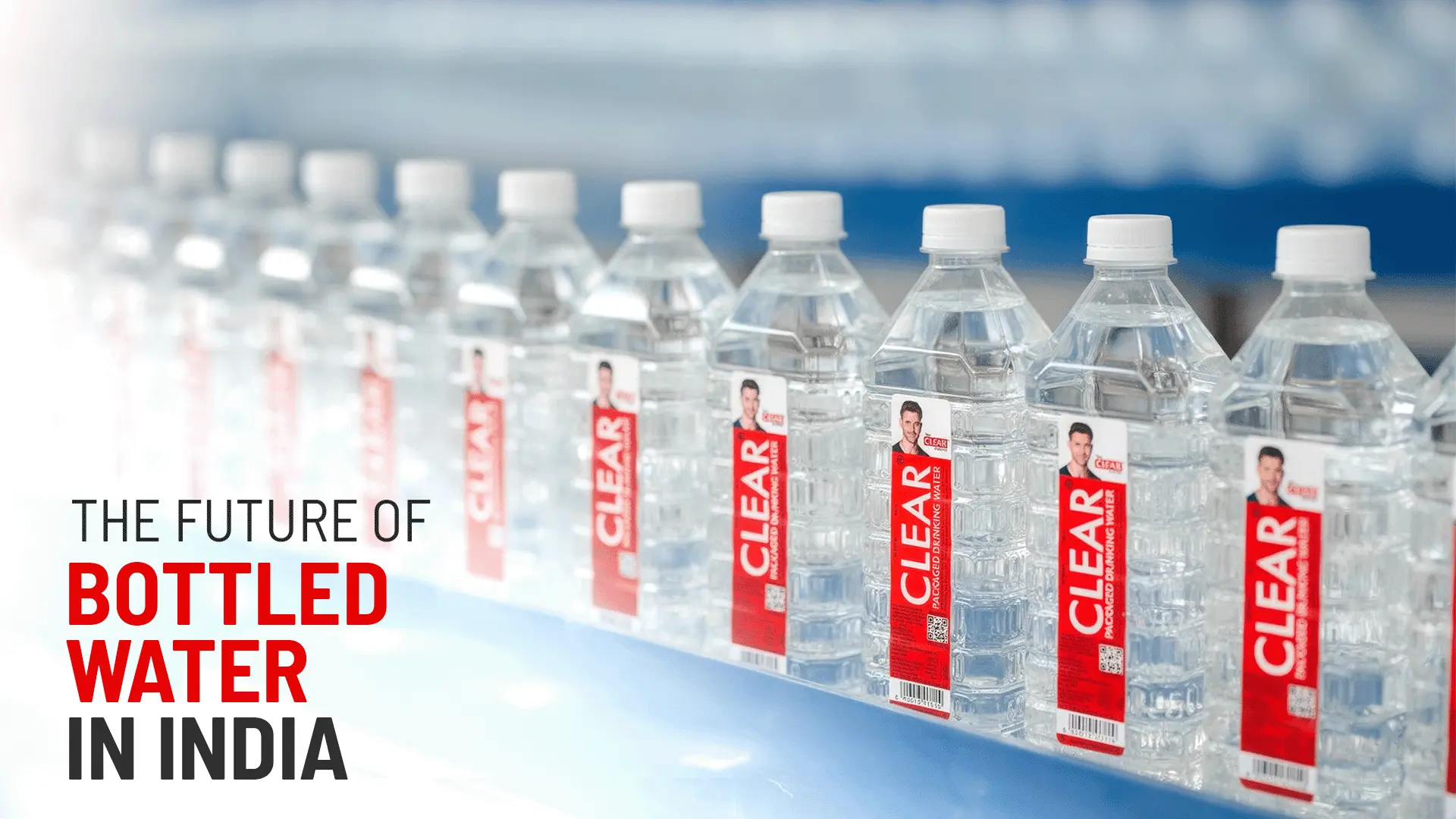
For many years,bottled water in India was viewed purely as a necessity something people bought when safe drinking water was not easily available. Today, the role of bottled water is changing. Consumers are no longer looking only for hydration; they are looking for reliability, taste consistency, and presentation.
As lifestyles evolve, water is becoming part of the overall consumption experience. Whether at home, in offices, at events, or in restaurants, people want packaged drinking water that feels trustworthy and well-made. This shift reflects a broader change in consumer behaviour, where even everyday products are expected to meet higher standards of quality and design.
Rise of Premium and Experiential Consumption
The demand for premium water has increased noticeably in hospitality, corporate environments, and social events. Hotels, fine-dining restaurants, conferences, and weddings now pay closer attention to the type of water they serve.
In these settings, water is not just functional. It contributes to how guests perceive the overall experience. A neatly presented 200 ml water bottle on a conference table or a well-designed 500 ml water bottle in a hotel room signals attention to detail.
Consumers associate better packaging and consistent taste with higher quality. As a result, the market for premium packaged drinking water is expanding beyond luxury spaces and becoming part of everyday expectations.
Taste, Mineral Profile and Consumer Perception
Another noticeable change is that consumers are paying attention to how water tastes. Earlier, water was rarely discussed in terms of flavour or composition. Today, people recognise that mineral balance, purity, and treatment methods affect mouthfeel and overall drinking experience.
A well-balanced 1ltr water bottle should taste clean and neutral, without excessive hardness or chemical aftertaste. Consistency is also important. When the overall drinking quality differs between bottles, consumers begin to question the brand’s consistency.
This awareness has pushed manufacturers to maintain controlled purification and mineral balance. As consumers become more informed, water is beginning to be appreciated in the same way as other beverages, judged on quality, not just availability.
Packaging as a Key Experience Driver
Packaging plays a major role in how bottled water is perceived. The bottle is often the only visible element of the product, so its design directly influences consumer confidence.
In restaurants and events, elegant glass bottles or clean, minimal plastic packaging enhance table presentation. Even standard formats such as 200 ml water bottles, 500 ml water bottles, and 1 litre water bottles are expected to look neat, sturdy, and well-labelled.
Custom labels are also becoming common at weddings, corporate events, and promotional gatherings. They allow organisers to maintain brand identity while serving safe drinking water. This shows how packaging is no longer just protective; it is part of the experience.
Trust, Transparency and Brand Story
As the bottled water market grows, consumers are asking more questions about where their water comes from and how it is processed. Trust now depends on visible standards, not just brand names.
People look for information about:
- purification methods
- quality checks
- certifications
- production practices
Brands that communicate these details clearly build stronger confidence. In the current market, transparency is as important as taste or price.
Reliable packaged drinking water brands understand that safety must be demonstrated through process control, consistent quality, and proper packaging.
Health and Wellness Influence
Health awareness has also influenced how people choose drinking water. Hydration is now linked with fitness, digestion, and general well-being. Consumers who pay attention to diet and lifestyle also pay attention to the quality of water they consume.
Clean water with controlled mineral levels supports regular hydration without unwanted taste or impurities. Because of this, many people prefer sealed bottles when they are outside the home.
Formats such as a 500 ml water bottle for daily use or a 200 ml water bottle for meetings and events help people stay hydrated without relying on unreliable sources. This makes bottled water a practical part of modern routines rather than an occasional purchase.
Sustainability Shaping Consumer Choices
Along with quality, environmental responsibility is becoming an important factor. Consumers are increasingly aware of plastic waste and expect brands to adopt better packaging practices.
Recyclable bottles, reduced plastic weight, and responsible production methods are gaining attention. The challenge for manufacturers is to balance safety with sustainability. Water must remain hygienic and sealed, but packaging should also minimise environmental impact.
Brands that manage this balance are more likely to gain long-term trust, especially among younger consumers.
Hospitality and Luxury Integration
In the hospitality industry, water has become part of brand presentation. Hotels, airlines, and restaurants often select bottled water carefully to match their service standards.
Serving clean, well-designed packaged drinking water reflects professionalism. A poorly packaged bottle can affect how guests view the entire experience. Because of this, many hospitality businesses choose consistent formats such as 200 ml, 500 ml, or 1 litre water bottle depending on the setting.
Water is now treated like any other element of service; it must meet the same expectations as food, décor, and overall ambience.
Future Outlook: Experience-Driven Water Consumption
The future of bottled water in India is likely to move further toward premium and experience-based consumption. Consumers will continue to expect:
- clear information about purification and safety
- consistent taste and mineral balance
- better packaging design
- environmentally responsible production
Technology may also play a role. Traceability systems, QR-based information, and improved quality monitoring can help brands show exactly how water is processed and handled.
As expectations rise, the difference between basic and premium water will become more visible.
Conclusion
Bottled water in India is no longer just a solution for thirst. It is becoming part of how people evaluate quality, safety, and overall experience. From hotels and events to offices and homes, consumers now look for water that feels reliable, well-presented, and consistent.
Brands such as Clear Premium Water reflect this shift by focusing on controlled purification, dependable packaging, and formats suited for different occasions, whether it is a 200 ml water bottle, a 500 ml water bottle, or a 1 litre water bottle.
As consumer expectations continue to evolve, bottled water will increasingly be judged not only by availability, but by the experience it delivers.