


Blog
Why is the Bottled Water Market Growing in India?
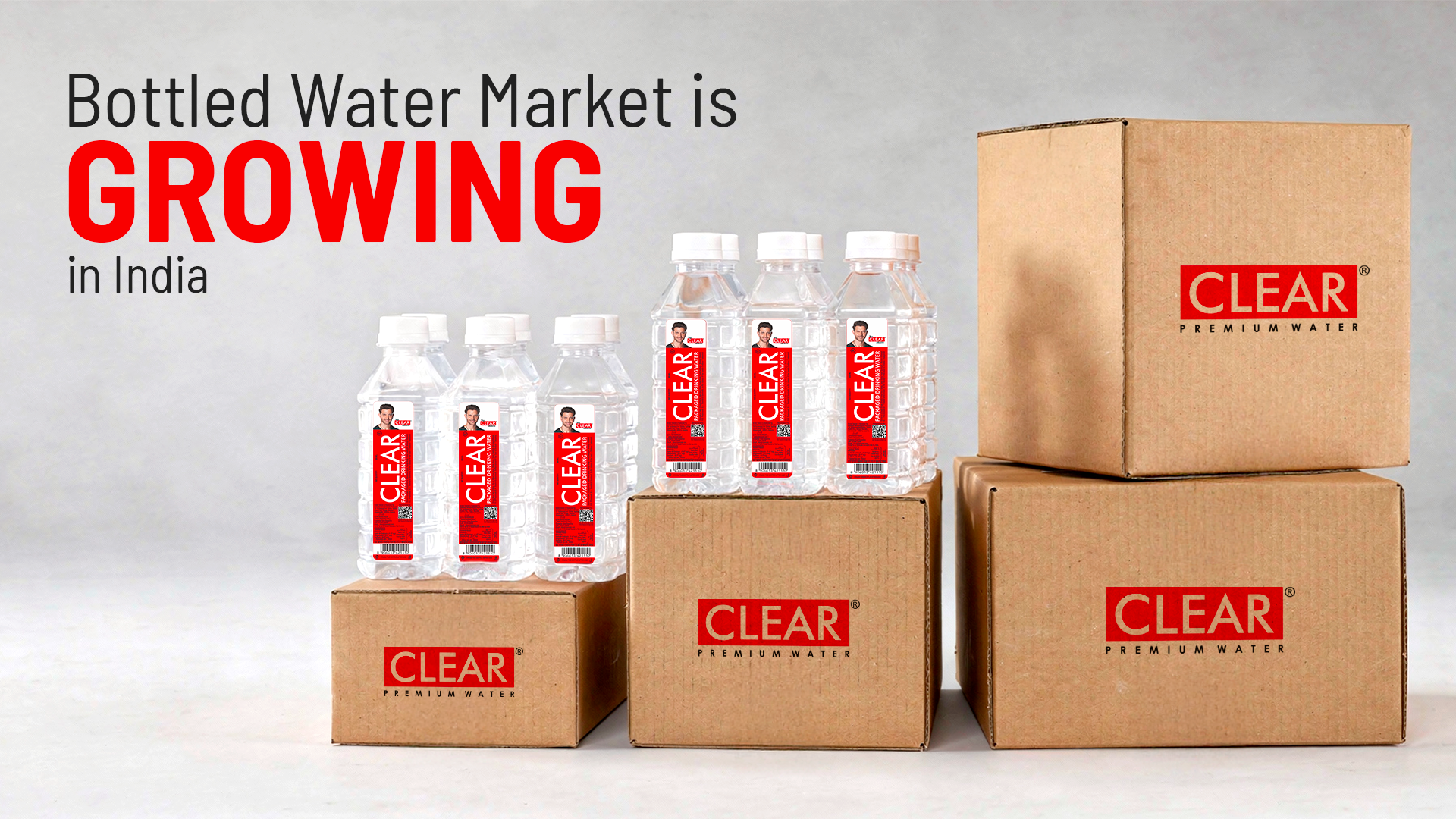
Water has always been essential, but in India, it has moved from a necessity to a trusted health choice. As awareness of sanitation and health rises, hydration is no longer simply “drink something when thirsty.” It is now about drinking something safe.
Packaged drinking water has transitioned from an occasional convenience to a staple in daily life. Increasingly, consumers choose bottled water not just for hydration but also because it offers a consistent safety standard that tap water cannot consistently guarantee.
This shift in priorities is driving one of the fastest-growing segments in the Indian FMCG landscape.
Rising Concerns About Water Quality
Municipal and groundwater supplies in many parts of India vary widely in quality. Factors such as ageing infrastructure, intermittent treatment, long distribution lines, and contamination from industrial or organic waste contribute to uncertainty about the safety of tap water.
Unlike regulated packaged water, public water supplies often do not provide consistent clarity, microbial safety, or mineral balance. When consumers cannot be sure of the water’s quality at the point of use in homes, offices, or public spaces, many opt for a reliable alternative.
This growing gap between supply and safety expectations is a key driver of the bottled water market.
Recent Contamination Cases & Rising Waterborne Diseases
Recent health reports underscore why bottled water consumption is not just a preference but a public health response.
In late 2025 and early 2026, cities like Indore reported severe incidents of municipal water contamination. Sewage intrusion into public pipelines led to bacteria-laden tap water, causing widespread cases of diarrhoea, vomiting, dehydration, and even fatalities. Hospitals were overwhelmed as hundreds fell ill in a short period, clearly illustrating how unsafe water can escalate into a community-wide crisis.
Beyond isolated outbreaks, national health data show that waterborne illnesses such as gastroenteritis, typhoid, jaundice, cholera, and acute diarrhoeal infections affect tens of millions of Indians annually. These are not minor statistics; they represent ongoing public health risks linked directly to contaminated water sources.
Such patterns influence consumer behaviour. When the cost of uncertainty includes hospital visits and lost productivity, bottled water becomes not just a choice, but a rational response.
Heightened Health & Hygiene Awareness
The public’s approach to preventive health has fundamentally changed over the last decade, and particularly since the pandemic. Hygiene is no longer a slogan but a lived priority. Consumers are more cautious about food safety, surface contact, and especially water, a substance they consume several times a day.
Certified bottled water offers:
- Sealed packaging that reduces handling risk
- Laboratory-verified safety standards
- Consistent quality irrespective of local supply conditions
These features makebottled waterthe preferred option for health conscious families, office workers, and institutional managers alike.
Urbanisation & On-The-Go Lifestyles
India’s urban population is growing rapidly. With that transformation comes increased mobility, commuting, travel, fitness routines, and work away from home.
Busy schedules and on-the-move routines cannot depend on finding potable tap water at every turn. Bottled water fills that gap seamlessly, providing convenience without compromising safety.
From metros to tier-2 towns, packaged water is now a common sight in offices, gyms, cabs, airports, trains, and street-side vendors, reflecting how lifestyles have evolved and how hydration habits must keep pace.
Growth of Food & Hospitality Sectors
As cafés, restaurants, hotels, and event venues proliferate, bottled water has become a standard offering rather than an add-on. In formal dining, corporate hospitality, tours, and curated experiences, bottled water ensures a level of service that aligns with guest expectations.
Tourism and business travel further amplify this demand. Conferences, weddings, festivals, and corporate events often require large volumes of clean, safe drinking water, a logistical need that packaged water consistently fulfils.
The expansion of India’s food and hospitality sectors directly supports the broader bottled water market.
Availability & Competitive Pricing
One reason bottled water has become commonplace is its widespread availability.
You can find packaged drinking water in:
- Neighbourhood shops
- Supermarkets
- E-commerce platforms
- Quick-commerce delivery apps
- Office supply chains
Multiple pack sizes, 200ml, 500ml, and 1L bottles, allow consumers to choose based on occasion, affordability, and convenience. Competitive pricing puts bottled water within reach of a broad socioeconomic base, rather than restricting it to premium segments.
Trust, Branding & Quality Assurance
As the market grows, consumers are selecting brands based on more than price and availability. They are prioritising transparency, certification, and visible quality practices.
Features that influence purchase decisions include:
- Clear display of BIS/FSSAI approvals
- Lab-verified purity reports
- Consistent clarity, taste, and packaging
- Traceable batch information
Premiumisation & Packaging Innovation
Bottled water is no longer seen as purely functional. In urban India, it has begun to take on elements of a lifestyle product.
Premium options with refined packaging, sleek design, attractive labeling, and even glass bottle formats are emerging, particularly in upscale hospitality and corporate gifting segments.
As packaging innovation evolves, bottled water is becoming part of curated experiences rather than a transactional purchase.
Sustainability & Conscious Consumption
Growth in bottled water has been accompanied by increased scrutiny of environmental impact. Consumers are more aware of plastic waste and conscious consumption.
This has led to:
- Introduction of recyclable packaging
- Promotion of rPET and reduced plastic formulations
- Refill and return programs in certain markets
- Consumer preference for brands that balance safety with sustainability
Today’s buyers no longer choose between safety and sustainability; they want both.
Conclusion: Safety Meets Consumer Demand
The expansion of the bottled water market in India is driven by a combination of health concerns and evolving lifestyles. Public expectations for consistent safety, verified quality, convenience, and accessibility have moved packaged water from occasional use to an everyday necessity.
In this environment,Clear Premium Water, with its disciplined purification systems, certified quality assurance, wide availability, and range of sizes (200ml, 500ml, 1L), is positioned to meet these evolving hydration priorities.
As consumer behaviour continues to shift toward trusted hydration choices, bottled water will remain a key staple not just for quenching thirst, but also for supporting health, confidence, and convenience in daily life.